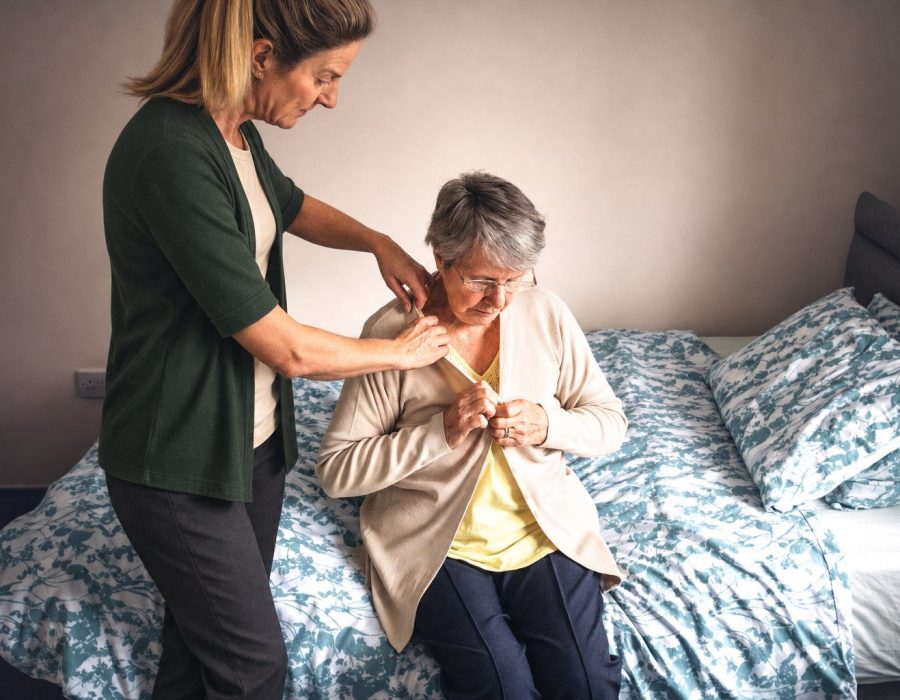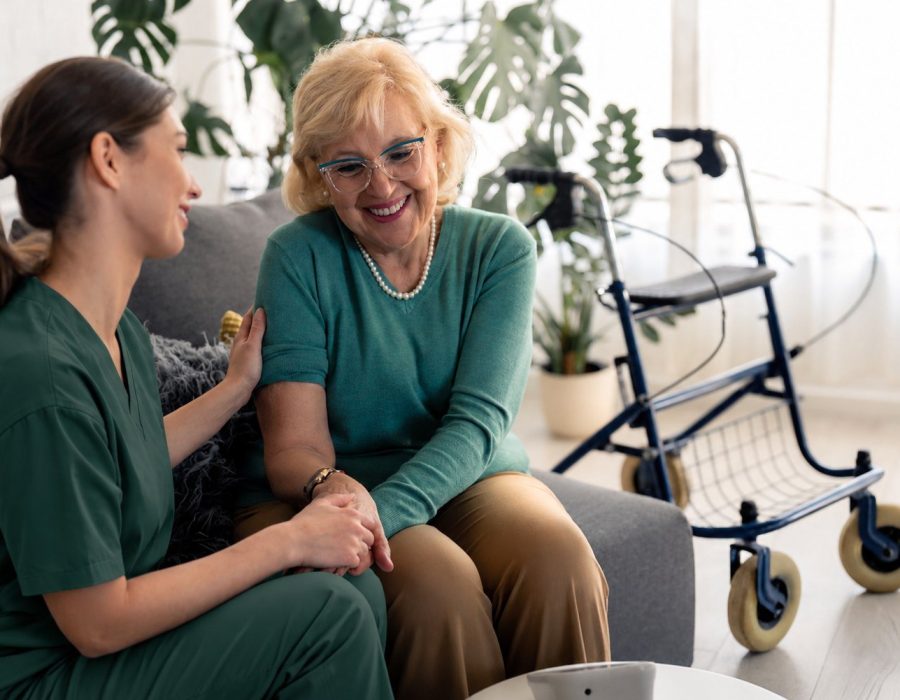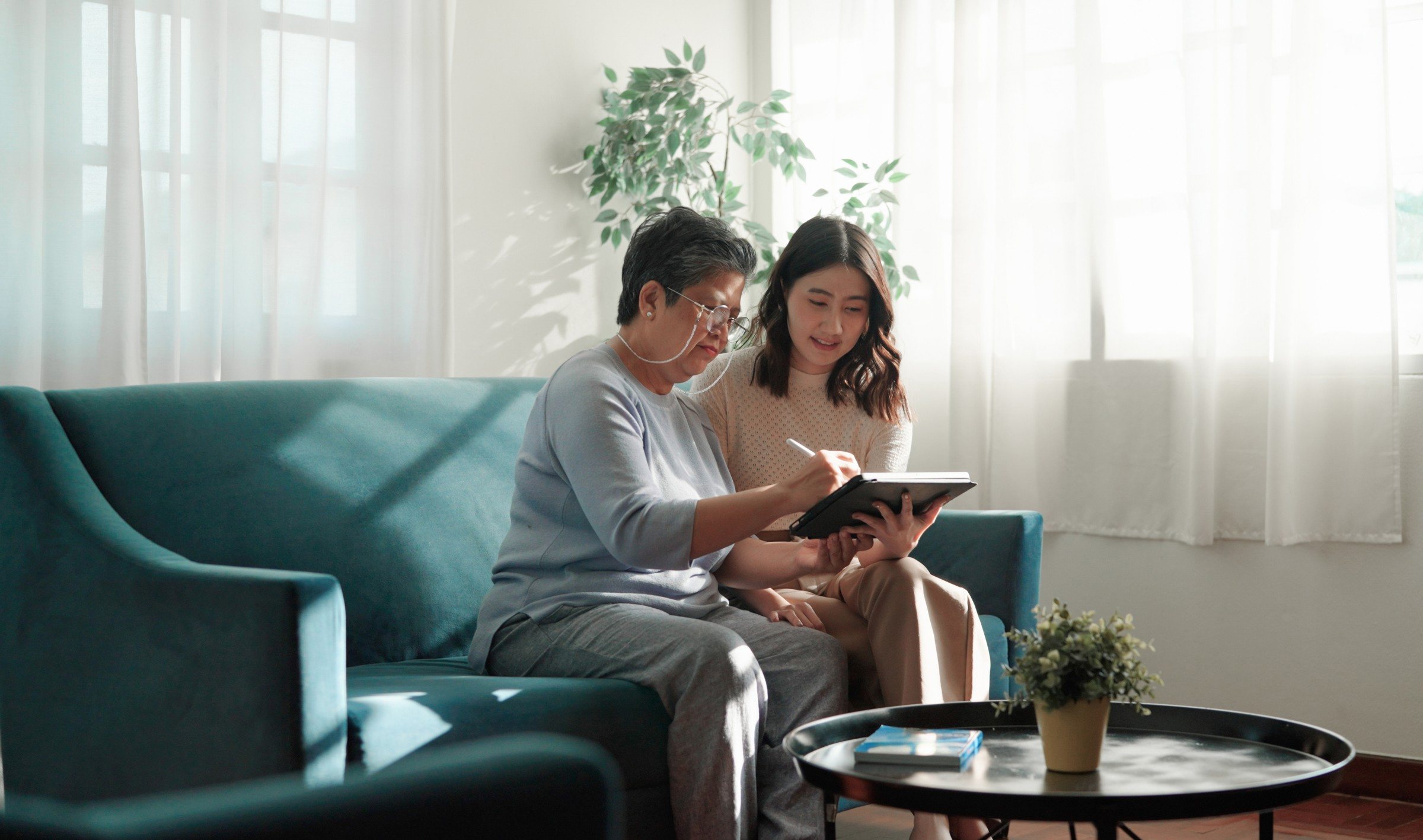

Help at home, planned around the way you live.
Most families don’t need a service menu. They need the hard parts of the day handled. Start there, and we’ll build one plan.
The result: ordinary days that feel manageable again.
Four ways families usually start.
Start with the part of the day that's hardest right now. Each page shows how we'd help.

Personal care
Private daily routines, comfort and the way you like things done.
Explore personal careHousehold support
Laundry, meals, tidying and errands, agreed task by task.
Explore household supportNeed nursing involvement too?
A nurse practitioner–led model sits behind the plan. We'll explain what that means for you.
One plan for everyday help and clinical care.
Everyday support and clinical planning, shaped around one person and one home.

Support that starts with daily life
Most care at home begins with something ordinary: mornings that take longer, meals that get skipped, a house that is harder to keep up with, or days that feel long and quiet.
We start there. Personal care, companionship and household support can be combined in one plan, so the help fits the way the day actually runs rather than a menu of separate services.
Your plan can start with one routine, like a slower morning or a quiet afternoon, and grow from there as you see what helps.
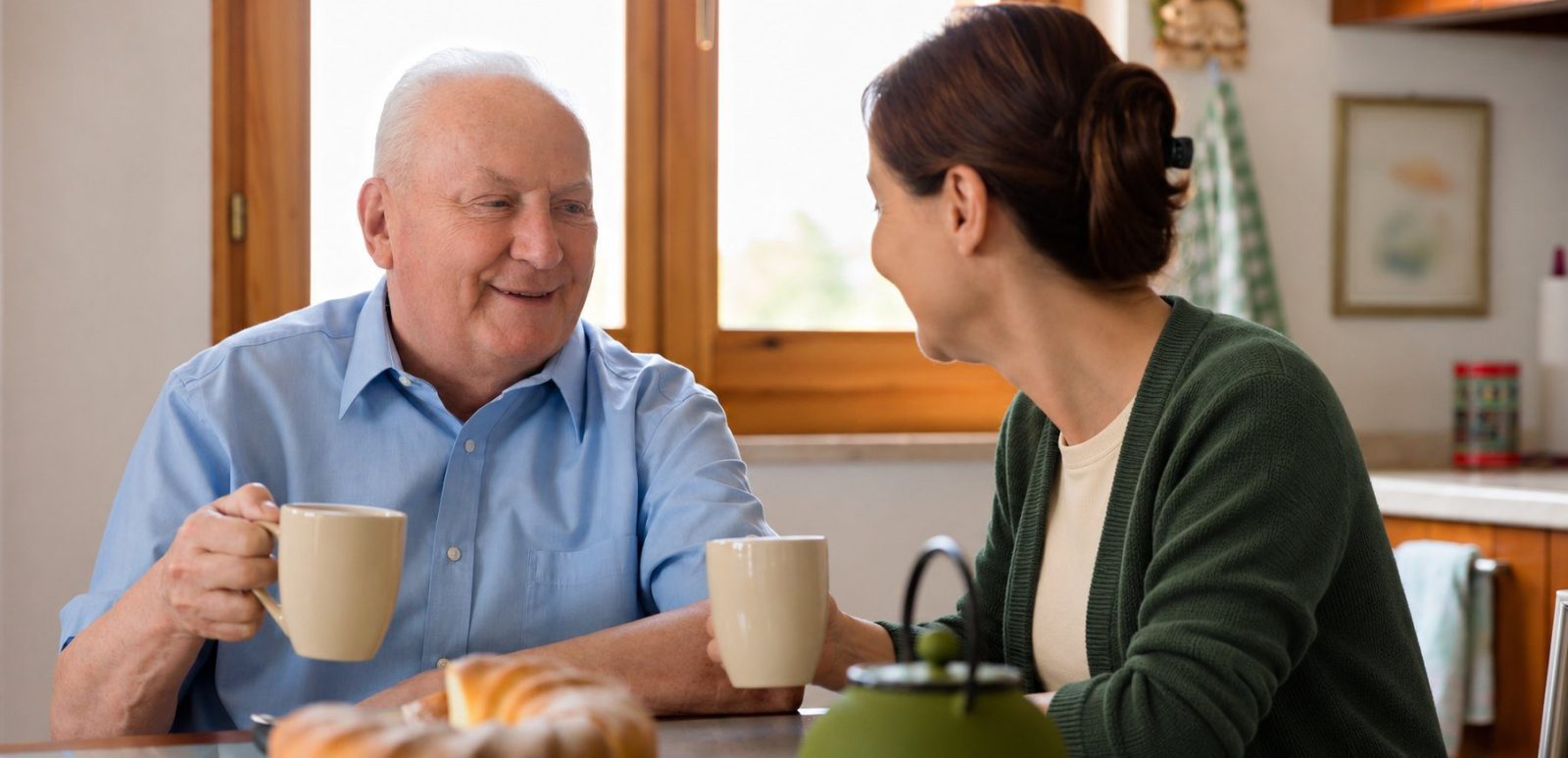
Nurse practitioner–led, not just nurse-checked
Care at Homestead Care is led by a nurse practitioner. That does not mean a nurse at every visit. It means the plan has a clinical lead behind it, so health questions have somewhere to go.
Day-to-day help comes from caregivers. Clinical roles, and when each is involved, are written into your plan rather than assumed.
- Daily help from caregivers, agreed in writing
- A plan reviewed as needs change
- Clinical roles named, not assumed
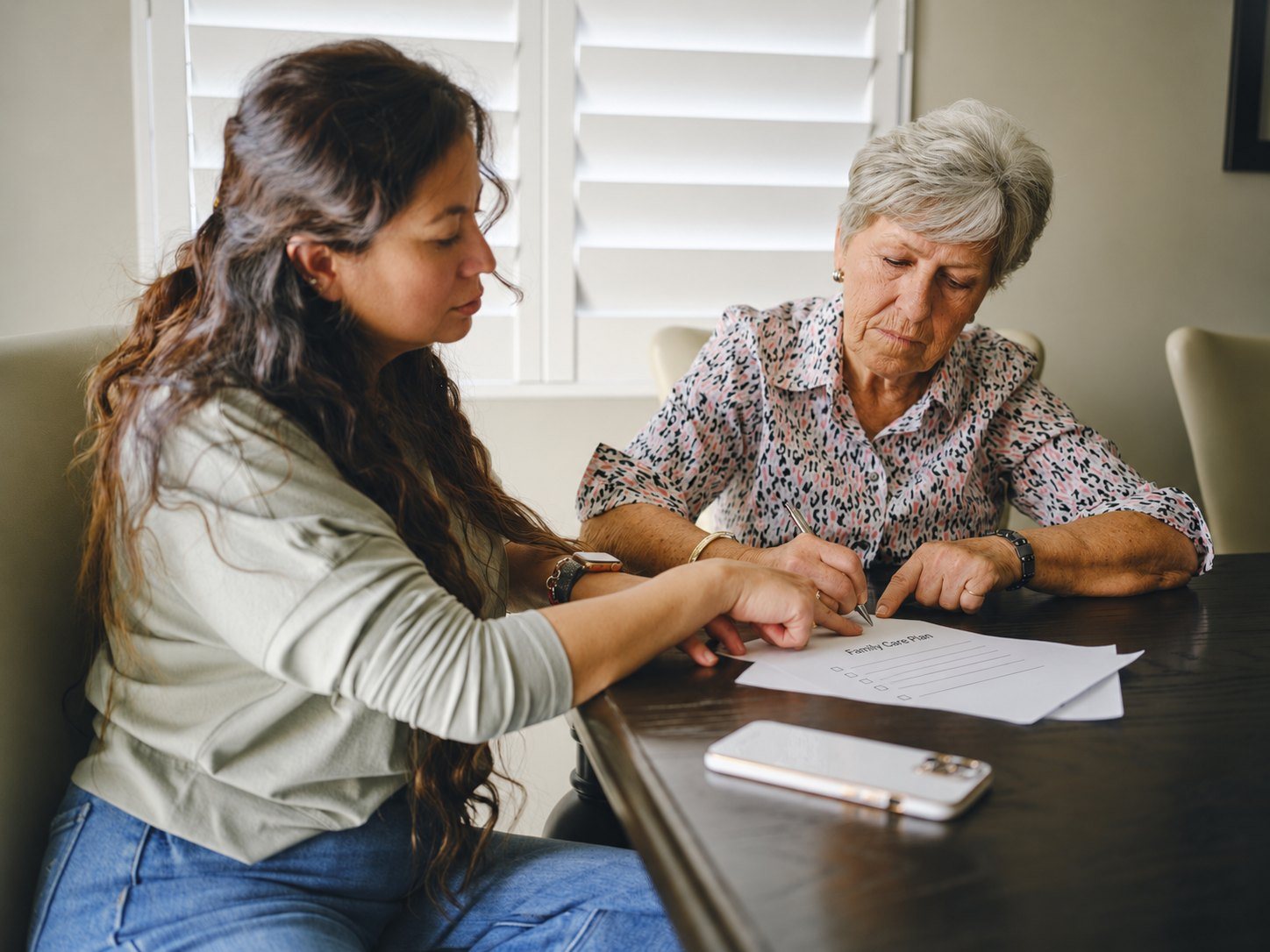
A plan you can read and question
Before anything starts, you should be able to see what is included, who provides it, when it happens and what it costs. If something is outside the arrangement, the plan should say so.
When needs change, the plan changes with them. You decide what to agree to, at each step.
You'll get it in writing, in plain language, before the first visit. If something changes, we update it with you rather than around you.
Get my free care planThe free Home Care Plan Call.
30 minutes with our care team. You walk away with a plan your family can use, whether you choose Homestead Care or not.
Keep the plan. It’s yours either way.
What you leave the call with
A recommended plan
The help, the hours and who would be involved, shaped by our nurse practitioner–led team.
A written estimate
Line by line, before you commit to anything.
Straight advice
If home care isn't the right fit, we'll tell you, and point you to what is.
Free, 30 minutes, and yours to keep.
Daily help and clinical care are not the same thing.
-
Everyday routines
Caregivers handle the agreed daily tasks: personal care, meals, company and the household. Your plan lists each one, how often it happens and anything outside it.
-
Clinical involvement
Our nurse practitioner leads the health side: monitoring, planning and reviews as needs change. Your plan names who is involved and how often. A nurse isn't in the home all day.
Facing something specific? Start there.
Some starting points come with their own timing and questions.

-
A hospital stay
We'll plan the first week home with you, before discharge day.
Plan hospital-to-home -
Time away for a supporter
Planned time off for you, with a clear handover at home.
Explore family respite -
Evenings or longer arrangements
Overnight and live-in help, with active and rest hours spelled out.
Explore overnight and live-in
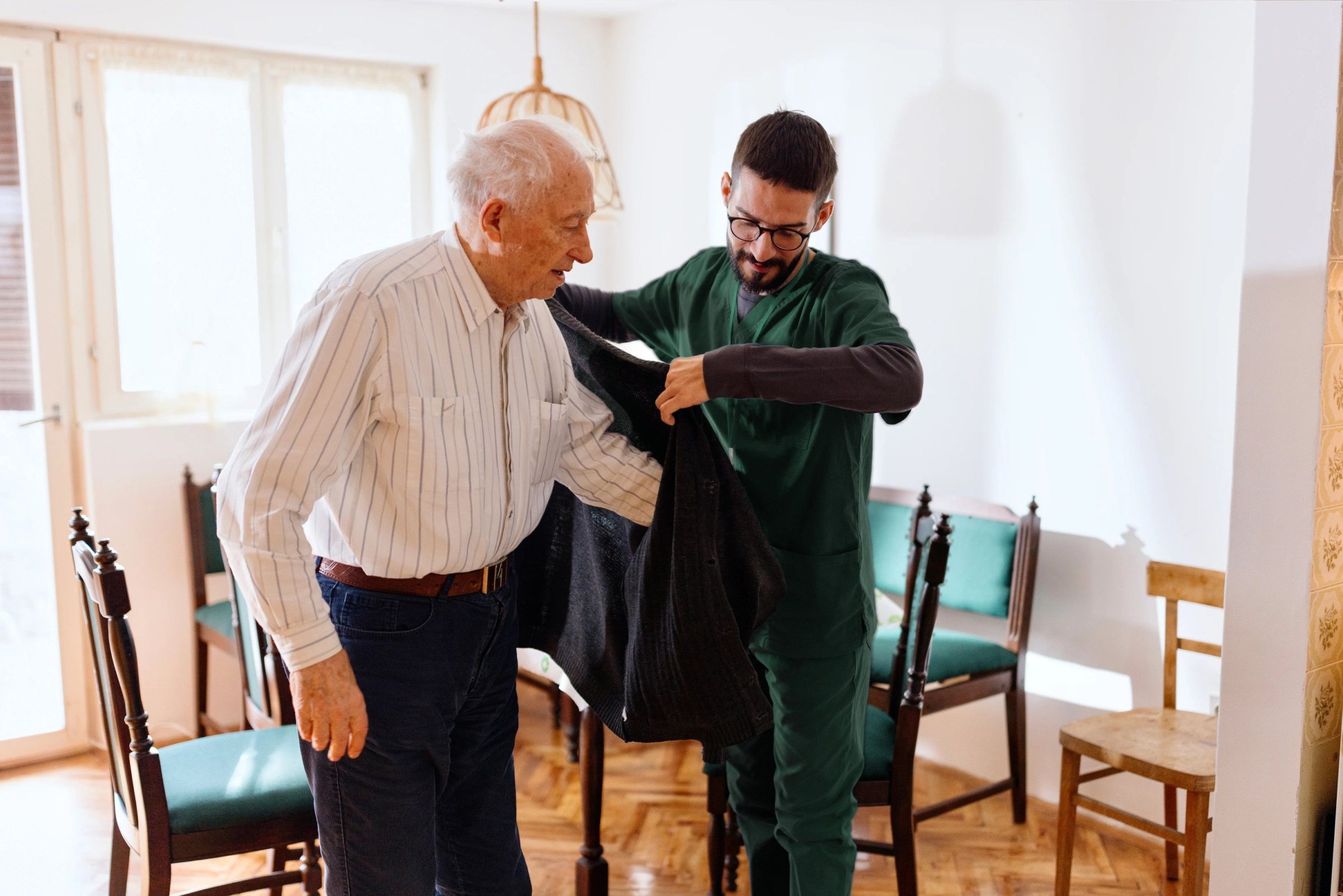
You don't need to know what to ask for.
Tell us what's changed and when you need help. We'll do the sorting and come back with a plan you can read.
Keep exploring
-
Personal care
Private routines, done your way and at your pace.
Explore personal care -
Choosing care
How to compare care options fairly.
Read Choosing Care -
Plans and costs
Three plans and starting prices.
See plans and costs