
Parkinson's support that keeps pace with the day.
Parkinson’s can change hour to hour. Tell us when mornings are slower and when medications are due, and we’ll plan around it.
Steadier days, at their own pace.
Supporting someone living with Parkinson's at home.
Help timed to medication, movement and energy, with a plan that adapts.

Built around their best hours
Parkinson's often has better and harder times of day, shaped by medication timing, sleep and energy.
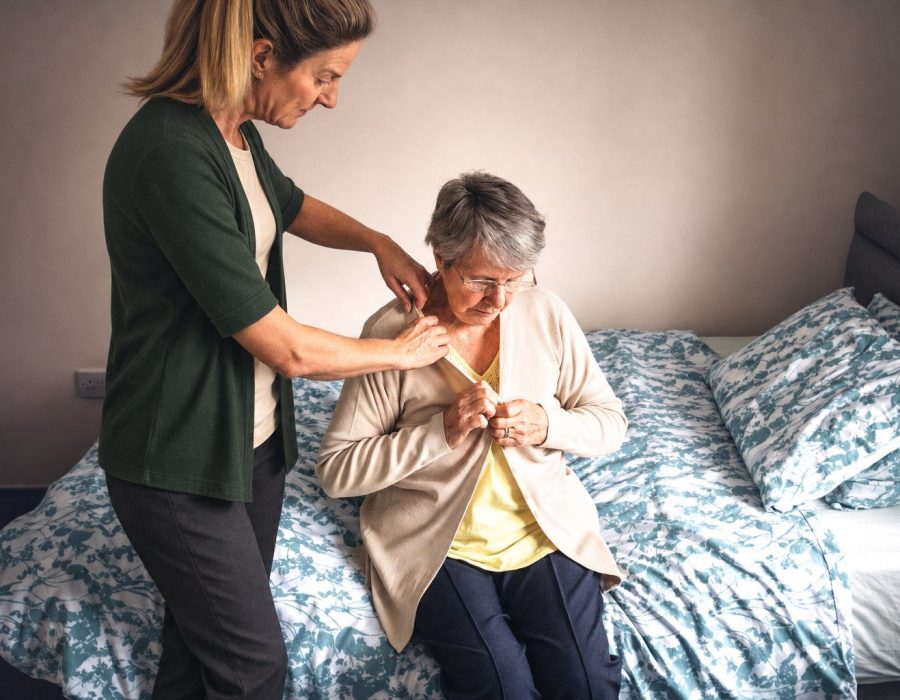
We plan visits for when help matters most: getting up, dressing, meals and moving safely around the home.
Your caregiver learns the person's pace, so nothing is rushed and independence is kept wherever it's wanted.

Medication routines and clinical oversight
Timing matters with Parkinson's. Caregivers can give medication reminders at the agreed times and note changes worth flagging.
A nurse practitioner leads health planning, reviewing changes in movement, swallowing or sleep with you and your family doctor.
- Reminders timed to the prescription
- Changes noticed and reported
- Your family doctor kept involved
Help that fits around the person.
Most Parkinson's plans combine several kinds of help, adapted as needs change.
-
Personal care
Dressing, bathing and grooming, with time for slower movement.
-
Mobility at home
Steady support getting up, walking and moving between rooms.
-
Meals and mealtimes
Meals prepared and served the way the plan sets out.
-
Companionship
Conversation, walks and activities that keep the day engaged.
-
Nursing involvement
Nurse practitioner input where health planning is needed.
-
Time for family
Planned breaks for the family members carrying the load.
Straight answers before you commit.
Four things we'll cover in the first conversation.
Parkinson’s looks different for everyone. These answers shape a plan that fits the person, not the diagnosis.
-
Their better and harder hours
When movement is easier, and when help matters most.
-
Medication timing
What's taken when, so visits line up with it.
-
Safety around the home
Stairs, bathrooms and the places falls feel likely.
-
Limits and changes
What we can’t meet, and how changes are handled.
Before you call: what families ask about Parkinson's support.
Answers for families caring for someone living with Parkinson's.
Talk it through with us-
Can caregivers help with medication?
Yes, with reminders at the agreed times. Anything beyond that is set out clearly in the plan before it starts.
-
What if Dad's mobility changes from day to day?
That's common with Parkinson's. The plan allows for slower days, and we adjust visits as patterns become clear.
-
Do you work with his doctors?
We keep your family doctor informed, and with your consent the nurse practitioner can coordinate with his wider care team.
Keep exploring
-
Personal care
Private routines, done your way and at your pace.
Explore personal care -
Companionship
Real company, built around their interests.
Explore companionship -
Family respite
Planned time off, with a solid handover.
Explore family respite