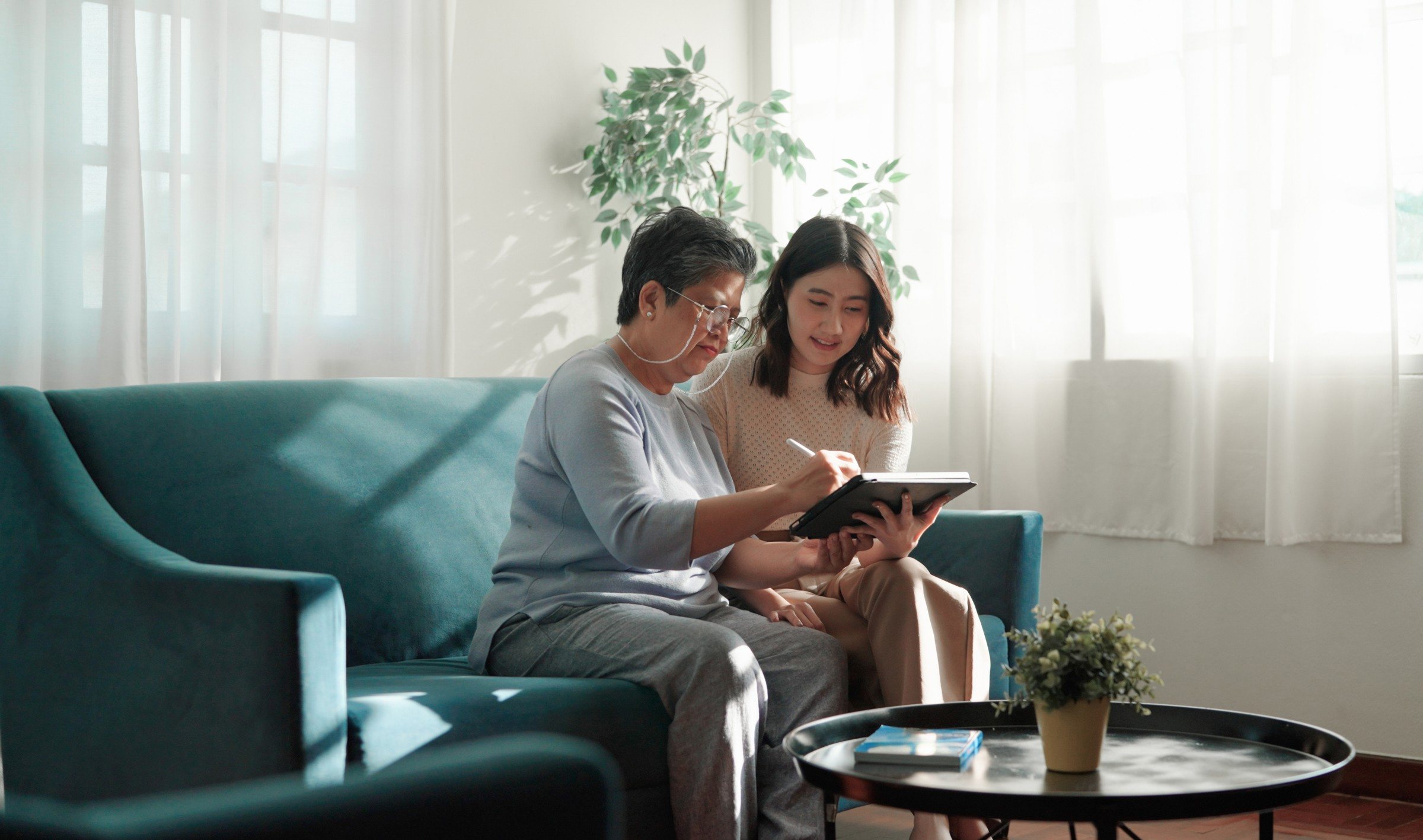
Personal care, done the way you'd do it yourself.
Personal care is planned around your routines, your pace and your preferences, and written down so nobody has to guess.
The goal: mornings and evenings that feel like yours again.

What personal care can cover.
The everyday routines families most often want help with. Your plan confirms exactly what's included.
-
Getting ready for the day
Washing, dressing and grooming, in the order and at the pace you prefer.
-
Bathing and hygiene
Bathing and toileting support, with privacy and dignity built into every step.
-
Moving around at home
A steady hand getting up, sitting down and moving between rooms.
-
Mealtimes
Help getting ready for meals, so they don't get skipped.
-
Evening routines
Winding down and getting ready for bed, so evenings feel calm, not rushed.
-
Keeping your independence
Tell us what you want to keep doing for yourself, so help is offered only where you want it.
Dignity isn't an extra. It's the job.
Private routines, handled with respect and at your pace.
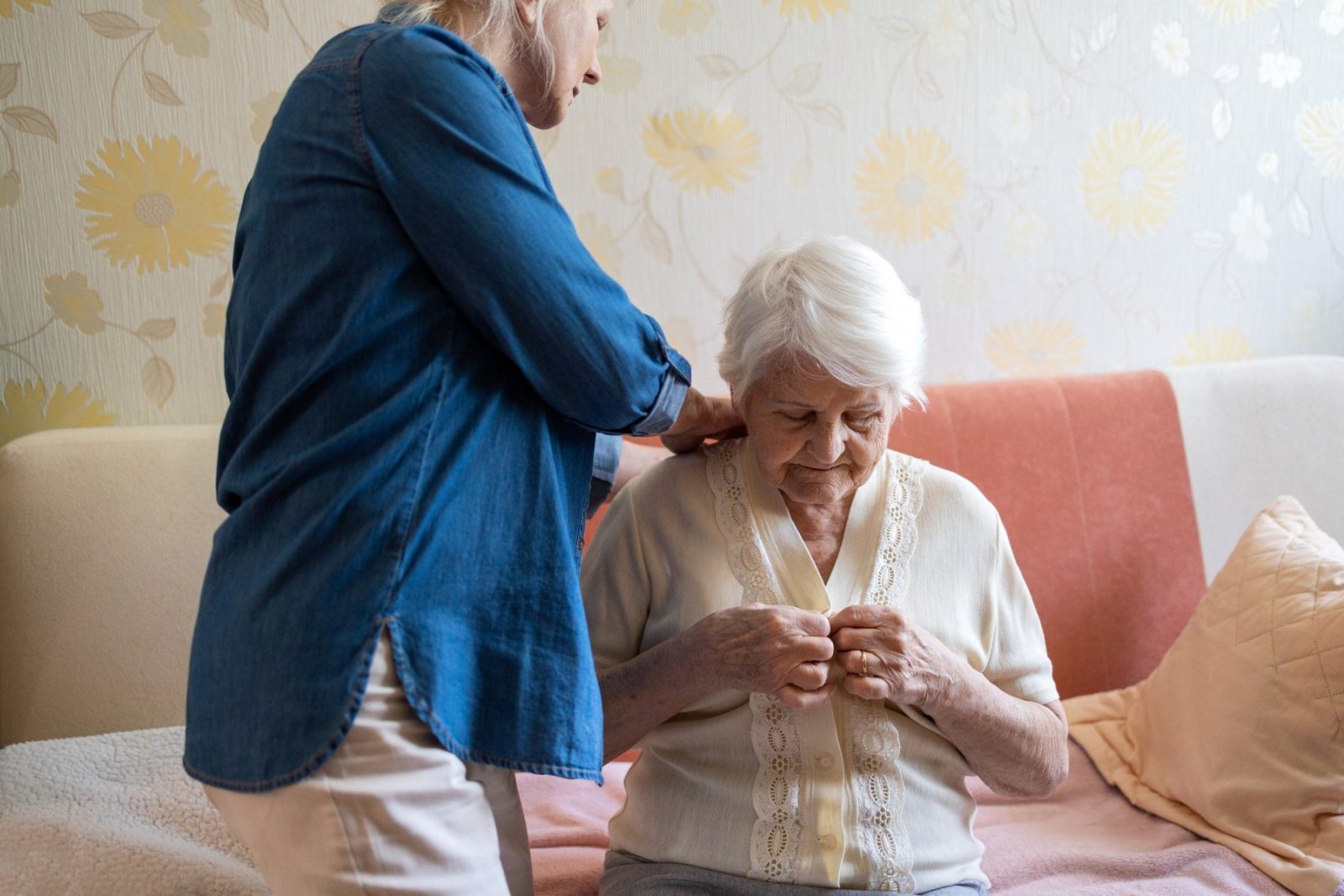
Your routine, not ours
Personal care is about the parts of the day most people would rather not discuss: washing, dressing, getting to the bathroom, getting ready for bed. It works best when it follows the order and pace you are used to.
Your caregiver learns how you like things done, what you would rather do yourself and where a steady hand actually helps. Those preferences are written into your plan so they do not depend on memory.
The first visits are about learning your rhythm. We'd rather go at your pace than ours, and we'll check in to make sure it feels right.
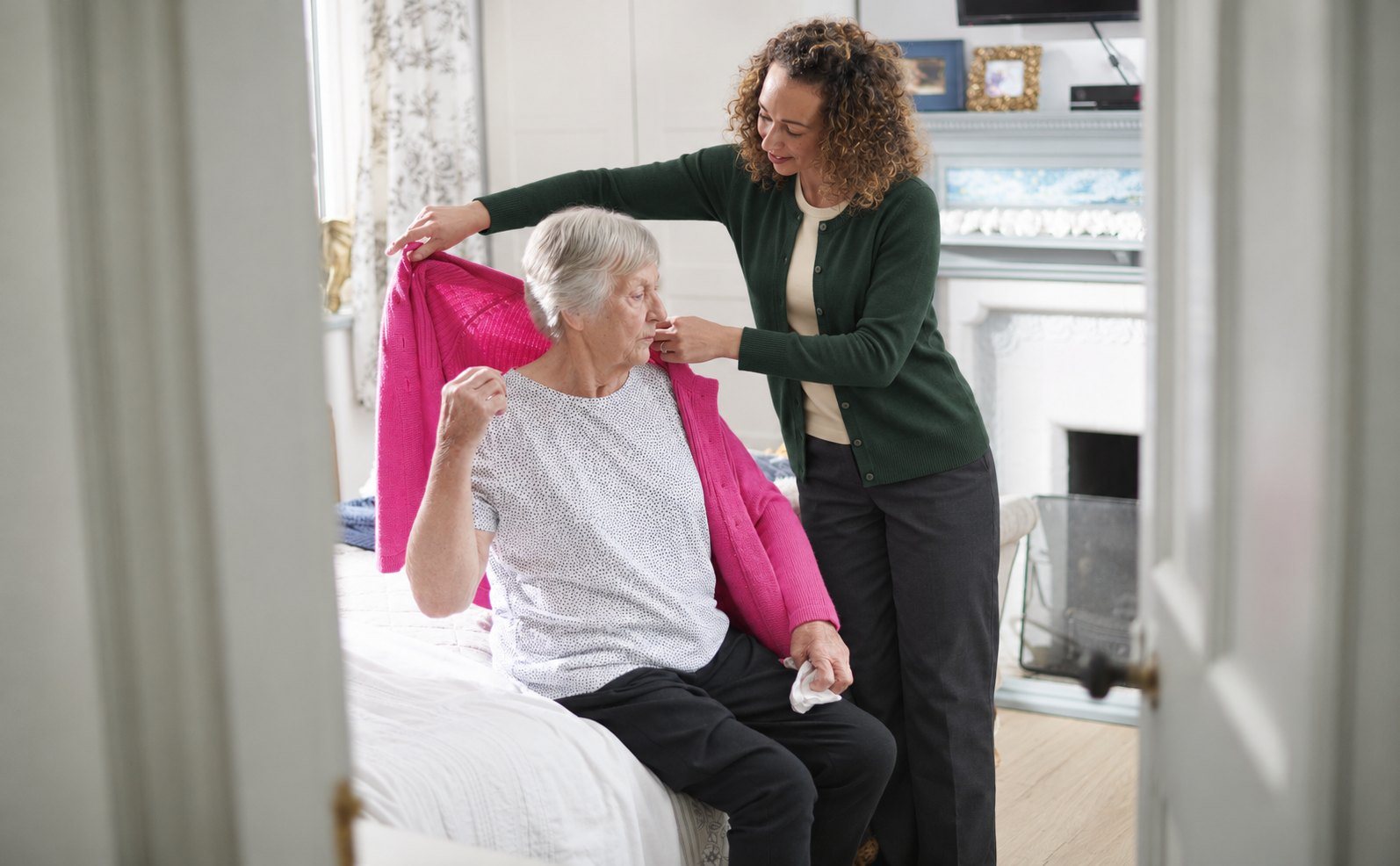
Dignity in the small details
Privacy matters: which door stays closed, which towel you prefer, whether you want conversation or quiet. These details are part of good personal care, not extras.
If something doesn't feel right, say so. We'll adjust the plan rather than ask you to put up with it.
- Help offered, never assumed
- Independence kept where you want it
- Preferences recorded in the plan
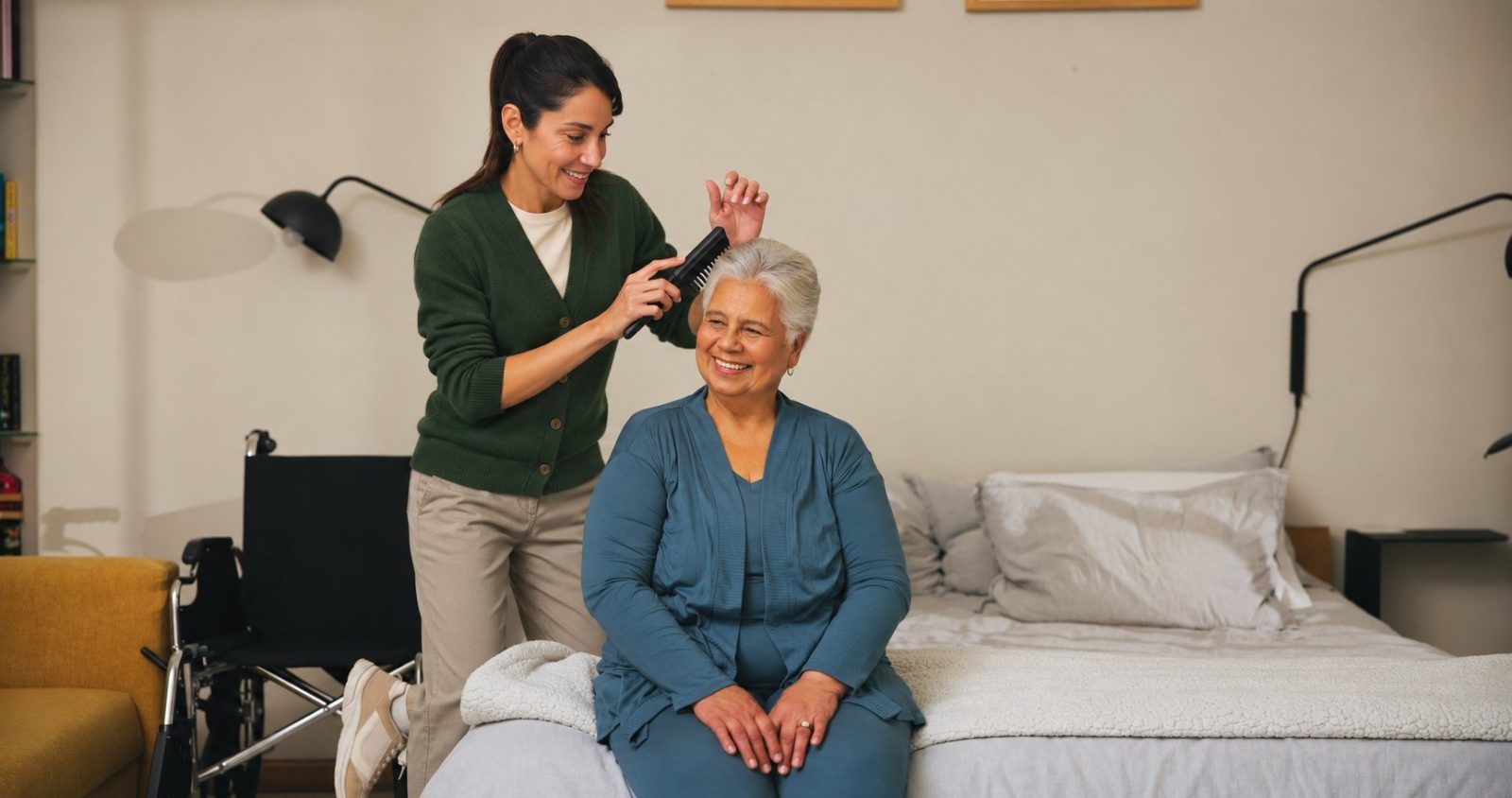
When personal care meets health questions
Sometimes daily routines change because health has changed: a new diagnosis, a fall, or recovery after a hospital stay. Tell us what has changed, and the plan can be reviewed to fit how the day now runs.
Our nurse practitioner–led team can review the plan when health changes, so personal care keeps up with what the person actually needs.
Get my free care planCare that follows your routine.
You know your day better than anyone. Tell us when help is most useful, how you would like support to be offered and what you would rather keep doing yourself.
Those preferences belong in your care plan, so the people supporting you can follow them.
Your caregiver follows that plan from the first visit, and our nurse practitioner–led team reviews it with you as things change, so the care keeps feeling like yours.

How getting started works.
A clear plan, agreed before support begins.

-
Talk through the routine
Tell us which part of the day is getting harder.
-
Agree what’s included
Each task, its timing and who does it, in writing.
-
Meet your caregiver
An introduction before the first visit, not at the door.
-
Review as things change
The plan is updated as needs and preferences change.
Before you call: the questions families ask about personal care.
Straight answers about privacy, trust and what personal care really involves.
Talk it through with us-
Do we need to decide everything at the start?
No. Start with the one routine that's hardest. The rest can follow.
-
What if Mom doesn't want help with bathing?
That's common. We start with what she's comfortable with and build trust from there. Nothing is forced.
-
Can it be combined with companionship or housework?
Yes. Most families combine them in one plan, with each task listed.
Keep exploring
-
Companionship
Real company, built around their interests.
Explore companionship -
Household support
Laundry, meals and errands, handled.
Explore household support -
How it works
From first call to first visit, step by step.
See how it works