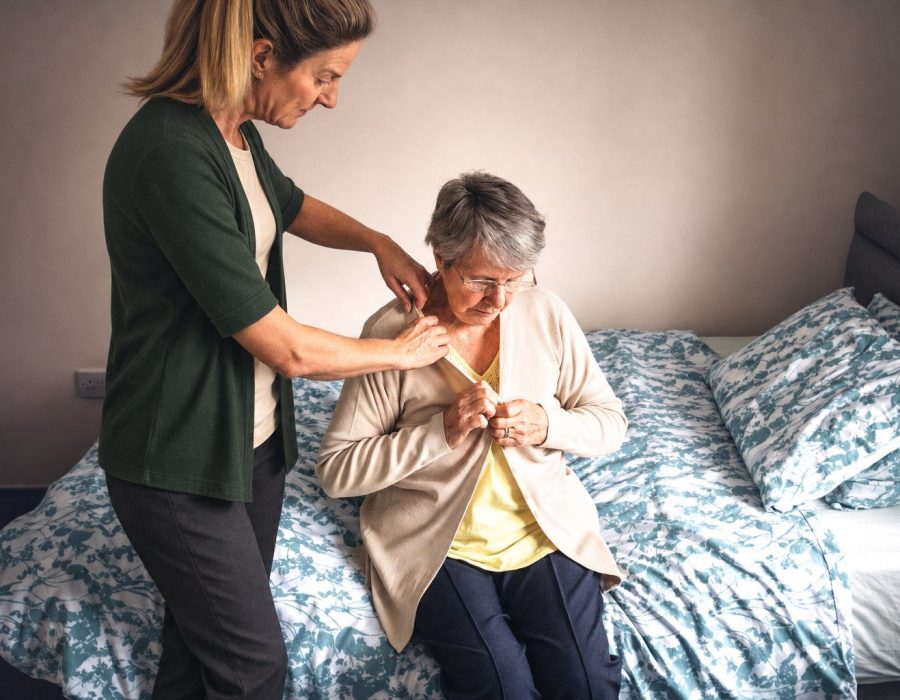
Company they'll actually look forward to.
Loneliness shows up as quieter calls and longer afternoons. Companionship brings conversation and someone glad to be there.
Good company makes the week worth looking forward to.
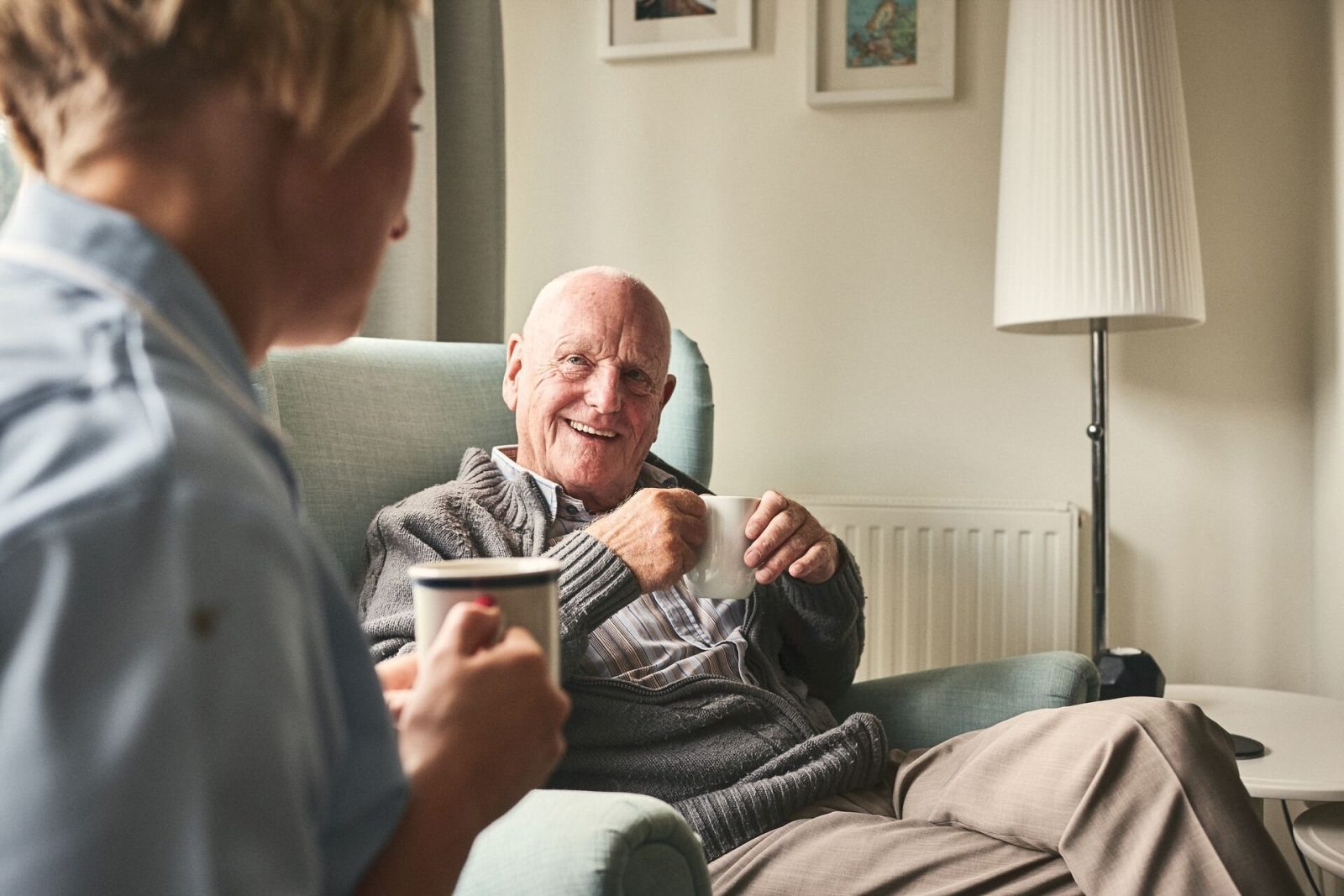
What companionship can look like.
What a visit can look like. The plan is built around the person's interests.
-
Conversation and company
Someone to talk with over a cup of tea, share news with or simply sit alongside.
-
Shared interests
Games, puzzles, reading, music or hobbies the person already enjoys.
-
Regular visits
A regular rhythm of visits, so there's always something to look forward to.
-
Time at home together
Reading, cooking or simply sharing the afternoon, in the comfort of home.
-
Room for quiet
Company that respects time alone and does not fill every moment.
-
Outings, if they matter
If outings matter, tell us. We'll confirm what's possible before anything is planned.
Not a visit on a timer. Real company.
Company built around the person, not a schedule of activities.

Time that feels like their own
Companionship is not entertainment on a timer. It is someone to share a cup of tea with, finish the crossword alongside or talk through the news with.
It starts with the person's own interests and pace. Some people want lively conversation; others want a quiet presence in the next room. Both are good companionship.
Over time, a regular visitor becomes someone the person knows and looks forward to: a familiar face who remembers the stories and the jokes.

Why it matters to families
Families often notice the change before anyone says it out loud: fewer phone calls, less interest in hobbies, long days alone. Regular, welcome company can help a home feel lived in again.
We match the caregiver to the person's interests and temperament, so the visit feels welcome rather than imposed.
- Built on the person's interests
- Paced to their energy
- Matched with care, not assigned at random

Companionship alongside other care
Companionship often sits next to other support. A visit might include a walk to the mailbox, help with a light meal or a reminder about the day ahead, if those are agreed in your plan.
If more help is needed later, the plan can be reviewed rather than started from scratch.
That means one familiar person, one plan and one conversation when things change, instead of a new arrangement every time.
Get my free care planWhat would feel like welcome company?
Four questions that shape a good match.

-
Their interests and stories
Gardening, cards, old films: we match around real interests.
-
The pace that suits them
Visits built around their rhythm, not ours.
-
What makes them comfortable
A slow introduction or a familiar routine helps.
-
Who else is around
Family, neighbours and friends who already visit.
Before you call: what families ask about companionship.
What families want to know before inviting someone in for company.
Talk it through with us-
What if Dad says he doesn't need company?
Most people say that at first. We start with a shared interest, not "care", and let it grow from there.
-
Is it only for people who live alone?
No. Plenty of families use it so a spouse or adult child can get a break.
-
Can it include other help too?
Yes. Light meals, personal care or household tasks can be added to the same plan.
Keep exploring
-
Personal care
Private routines, done your way and at your pace.
Explore personal care -
Household support
Laundry, meals and errands, handled.
Explore household support -
How it works
From first call to first visit, step by step.
See how it works