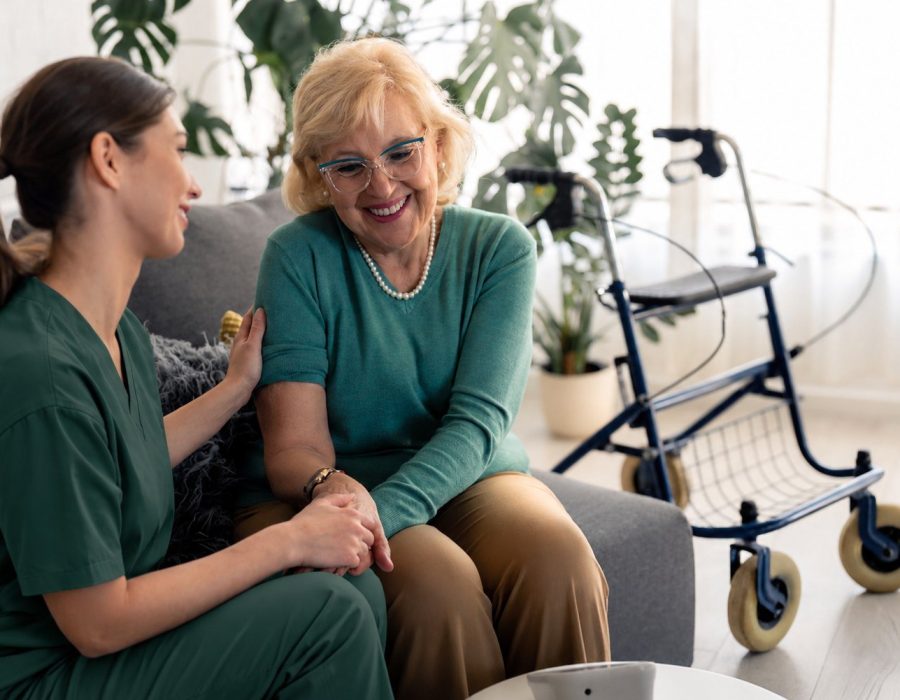
Talk about care before it becomes a crisis.
A first conversation can be about privacy, familiar routines or having a stranger in the home, rather than trying to settle everything.
Walk away with a next step the whole family can agree on.

Your worries and their wishes both belong in the room.
What you have noticed and what the person wants both matter.
-
What I have noticed
Start with a specific moment or routine you've seen change. Separate what you've observed from what you fear might happen. It keeps the conversation calm.
-
What matters to the person
What would they like help with, and what do they want to keep doing themselves? Their answers shape the plan as much as yours do.
Disagreeing about the next step is normal.
One person may be worried about daily routines. Another may be thinking about cost or whether help is needed yet.
Include the person receiving care in the conversation wherever possible.
It's normal to see things differently. A neutral voice on a free care call can help the family hear each other and agree on one small next step.

Talking about care as a family.
How to start a conversation nobody quite knows how to begin.
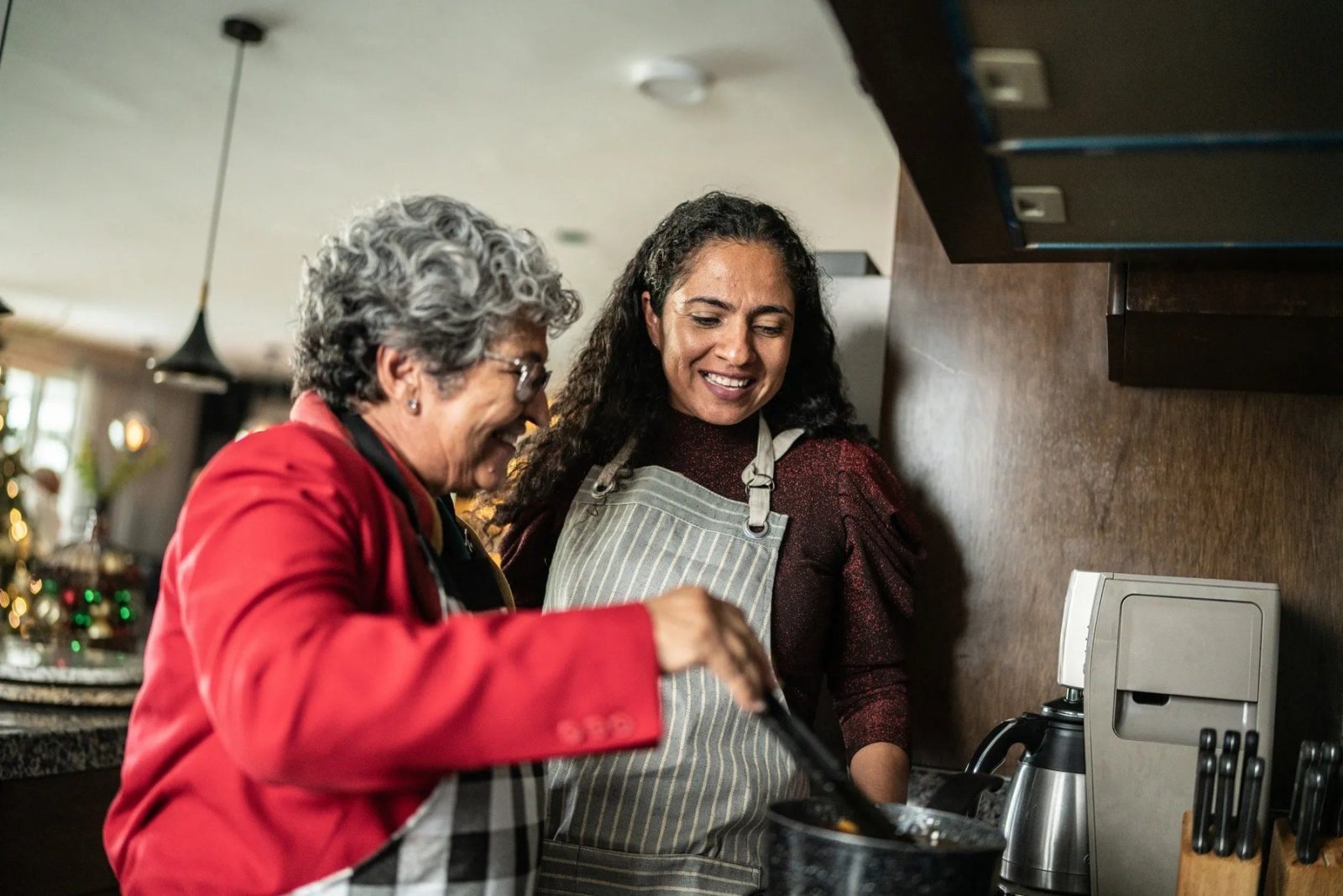
Begin with what you have noticed
Families often see the signs before anyone says anything: missed meals, a fall that was played down, a house that is harder to keep up with. Start with one specific moment, not a list of worries.
Separate what you have seen from what you fear might happen. It keeps the conversation calm and fair.
A concrete example is easier to talk about than a general worry, and easier for the person to say yes to.
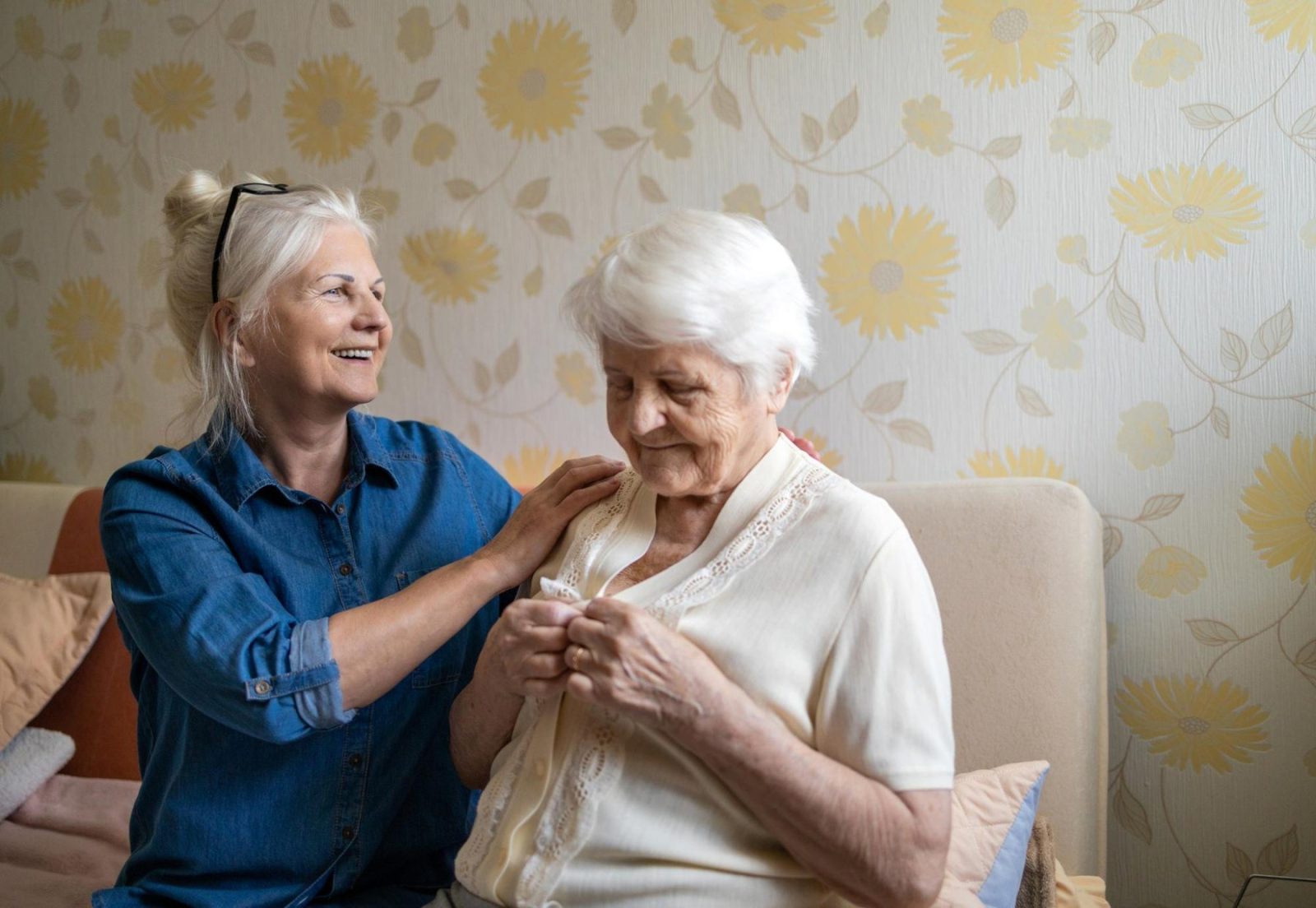
Keep the person at the centre
The person receiving care should be part of the conversation wherever possible: what they'd like help with, what they want to keep doing and what worries them about someone new in the home.
Agreement on everything is not needed to take the next step.
- One concern at a time
- Their wishes first
- Open questions are fine

Bring us the open questions
You can bring unresolved questions to a care conversation. We can talk through options, costs and what an NP-led plan would look like, so the family has something concrete to discuss.
Nothing is agreed until you are ready.
Many families find a neutral voice makes the conversation easier. We're happy to be that voice.
Get my free care planKeep the first talk small.
You do not need to agree on everything before you start.

-
Begin with one concern
One example, like a missed meal, is enough.
-
Listen for preferences
Make room for privacy, routine and their questions.
-
Agree what to try
One small change to try first, together.
-
Choose the next question
Bring what’s unresolved to a free care call.
Before you call: what families ask about the care conversation.
What families ask when they don't all agree yet.
Talk it through with us-
What if Dad refuses to talk about it?
Start small, with one task he finds annoying rather than "care". We can join the conversation if that helps.
-
What if we disagree about the next step?
You can see the next step differently and still start. Bring the open questions to a care conversation.
-
Do we need to decide on a service first?
No. Start with what has changed; the conversation can clarify the relevant services.
Keep exploring
-
Choosing care
How to compare care options fairly.
Read Choosing Care -
Dementia / Alzheimer's support
Support that protects familiar routines.
Read the guide -
How it works
From first call to first visit, step by step.
See how it works