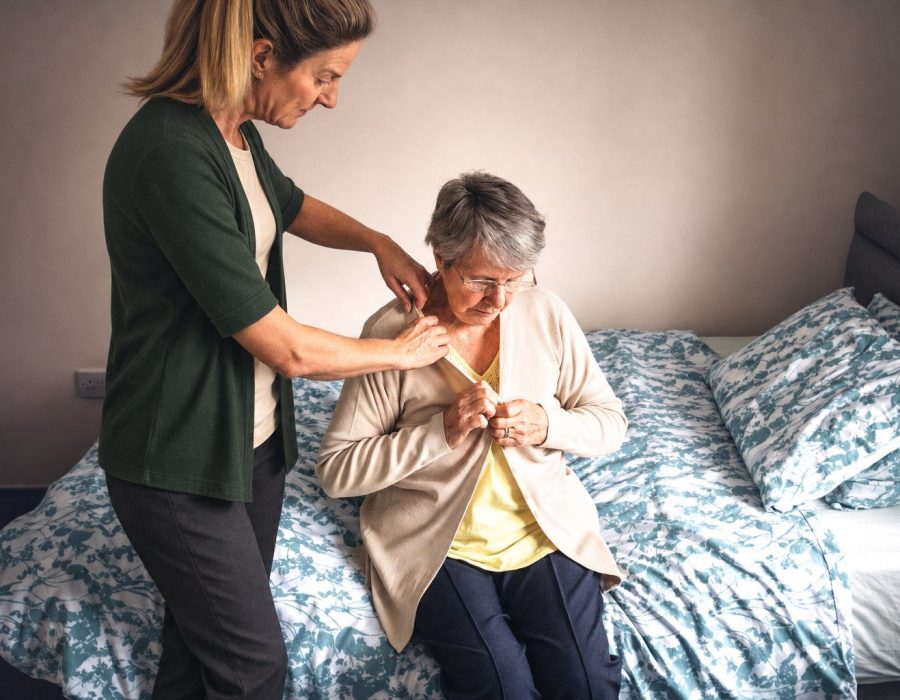
Home care with a nurse practitioner behind it.
A nurse practitioner leads your plan, so health questions and daily support sit together. It doesn’t mean a nurse is always there.
You’ll know who’s involved and when the plan is reviewed.

Who does what, and how often.
Three roles, one plan. Your plan names who does what.

Assessment and planning
Needs are reviewed and the plan is written with clinical input from the start.
Hands-on nursing
Any hands-on nursing is agreed task by task and written into the plan.
Review and oversight
The plan is reviewed as needs change, and you have one place to raise a concern.
What NP-led care means for you.
Clinical thinking built into home care from the start.

What a nurse practitioner adds
A nurse practitioner is a registered nurse with advanced education and an extended scope of practice in Ontario. Nurse practitioners in Ontario can assess, diagnose, order tests and prescribe. At Homestead Care, an NP leads your health monitoring and care planning, working alongside your family doctor.
That is different from most home care, where daily support and health questions are handled by separate people who may never speak to each other.
In practice, that means health questions have somewhere to go, and someone with clinical training is looking at the whole picture, not just the task list.

How it fits with everyday support
Caregivers provide the day-to-day personal, practical and companionship support agreed in your plan. The nurse practitioner shapes that support and reviews it as needs change.
Nursing involvement does not mean a nurse is continuously present in the home. Your plan sets out who is involved, what they do and how often.
- Caregivers for everyday support
- Nurse practitioner–led planning
- Works alongside your family doctor
- Who does what, written in the plan

Why families choose it
When health changes, families often find themselves coordinating between a family doctor, a hospital and a care agency. An NP-led model is designed to bring more of that thinking into one plan.
You get one plan, one set of names and one place to raise a concern.
For families, it means fewer phone calls, fewer gaps and more confidence that someone is keeping track.
Get my free care planWho may be involved.
Proposed roles. Your plan confirms who is involved, their scope and their credentials.

-
A nursing assessment, where needed
Shapes the plan from the start, if it’s part of it.
-
Nurse practitioner–led planning
Health monitoring and care planning, led by an NP.
-
Everyday caregivers
Daily practical and personal support, from one plan.
-
Your family doctor
Stays involved. We work alongside, not instead.
Daily help and nursing are agreed separately.
-
Practical support
Caregivers handle the everyday tasks in your plan: personal care, meals, company and the household. Each one is listed, with how often it happens.
-
Clinical care
Clinical work is led by our nurse practitioner and carried out by regulated professionals. It's agreed task by task and written into the same plan.
Know what happens if health changes.
If health changes, you'll know who to call and what happens next. It's written into the plan before care starts.
Our nurse practitioner–led team reviews the plan when health shifts, works alongside your family doctor and tells you plainly when something needs a different service. You won't be left to work it out alone.
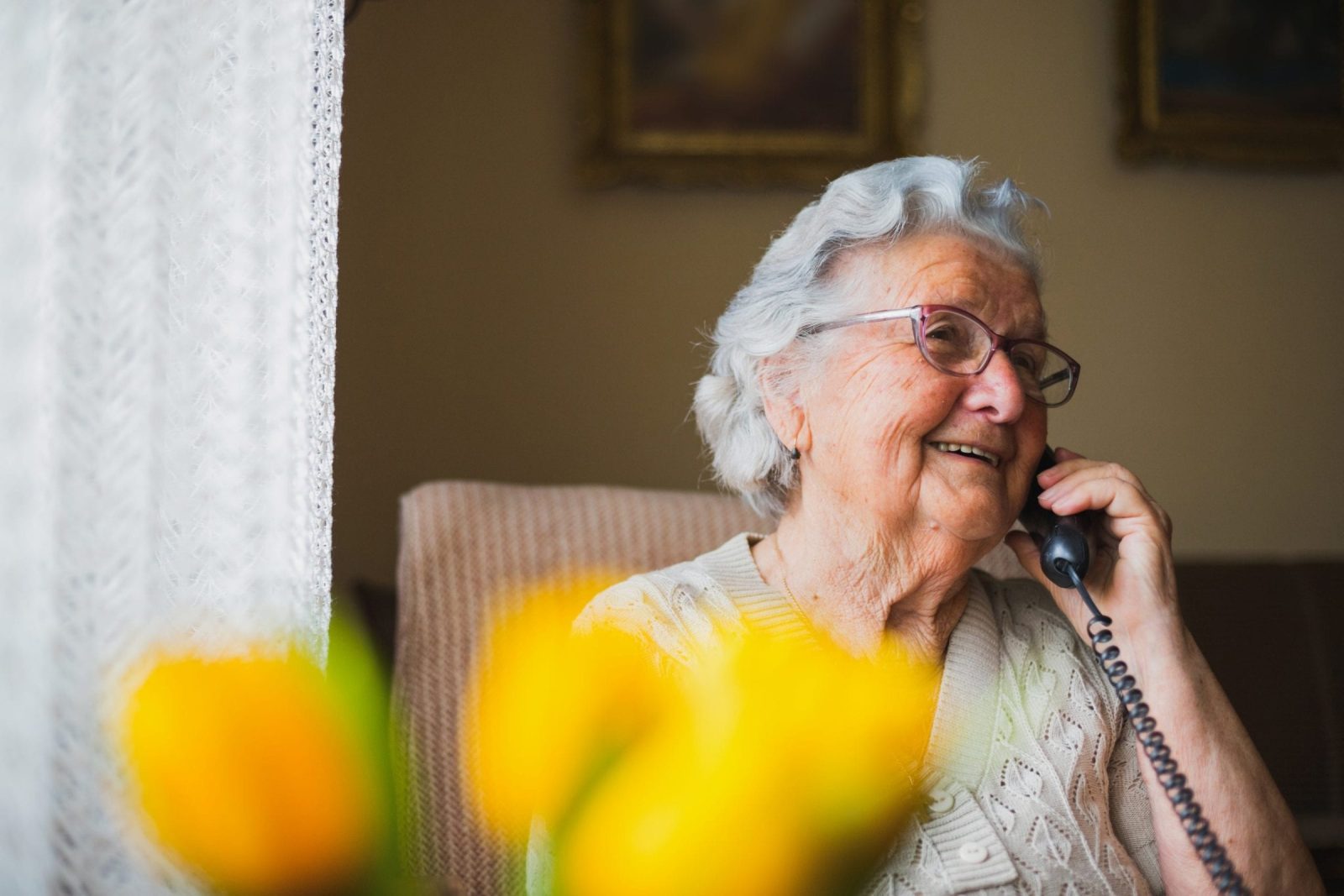
Before you call: what families ask about NP-led care.
What families ask about nurse practitioner–led care, and how it works with your doctor.
Talk it through with us-
Is a nurse in the home all the time?
No. Nursing involvement does not mean a nurse is continuously present in the home.
-
Are hands-on nursing tasks available?
Some may be. Each one is agreed and written into the plan before it starts.
-
Do we still need our family doctor?
Yes. The NP-led model works alongside your family doctor, not instead of them.
Keep exploring
-
Hospital-to-home planning
Plan the first week home before discharge day.
Plan hospital-to-home -
Personal care
Private routines, done your way and at your pace.
Explore personal care -
Plans and costs
Three plans and starting prices.
See plans and costs