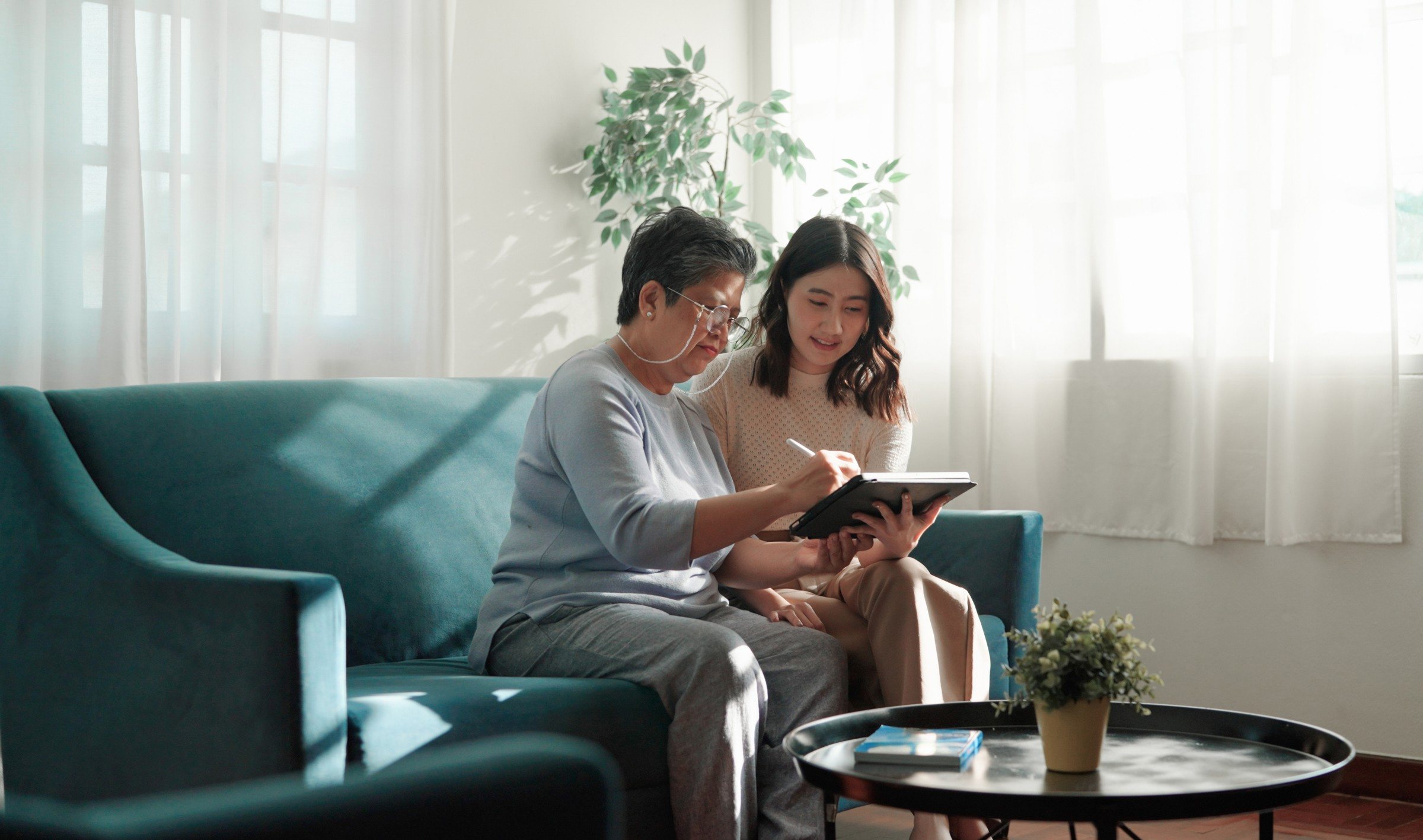
A diagnosis explains the need. It doesn't write the plan.
A condition helps explain why you’re looking for support. It doesn’t decide which service fits. That’s what the first call is for.
Leave the first call knowing what would actually help.
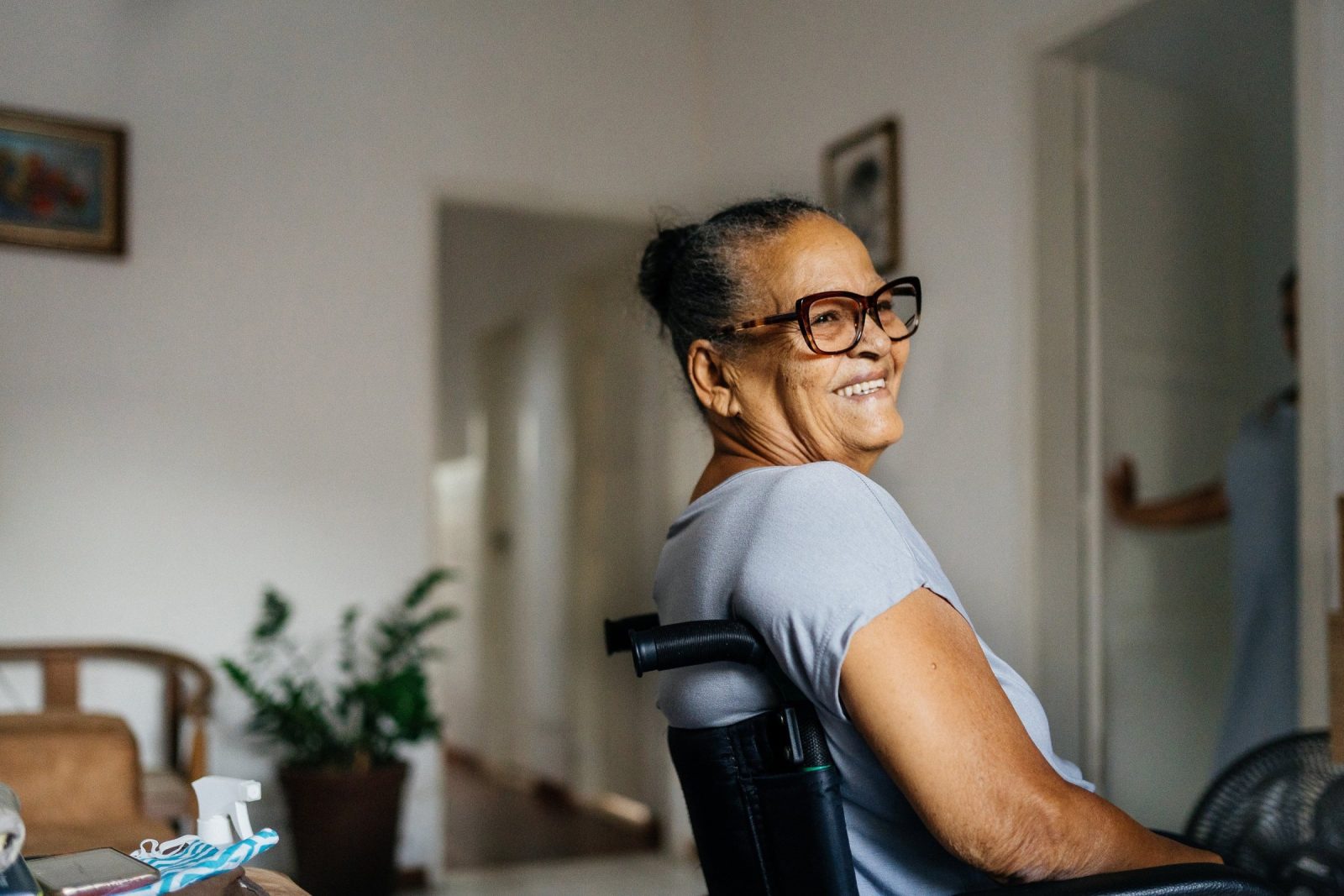
Start from the situation closest to yours.
Each one comes with its own questions.

-
Memory and familiar routines
What routines, communication preferences and support questions matter?
Read the dementia guide -
Tremor, stiffness or slower movement
How Parkinson’s shapes the day, and which routines need a steadier hand.
Read the Parkinson’s guide -
Mobility and everyday tasks
Which daily tasks are becoming difficult? Discuss personal care and household support scope.
Explore personal care -
Ongoing health questions
What clinical input is needed, and what is the provider's actual role?
Explore nursing -
A hospital stay
What timing, responsibilities and home arrangements need to be confirmed?
Plan hospital-to-home
From a care need to a practical plan.
How a condition or a change in daily life becomes clear next steps.
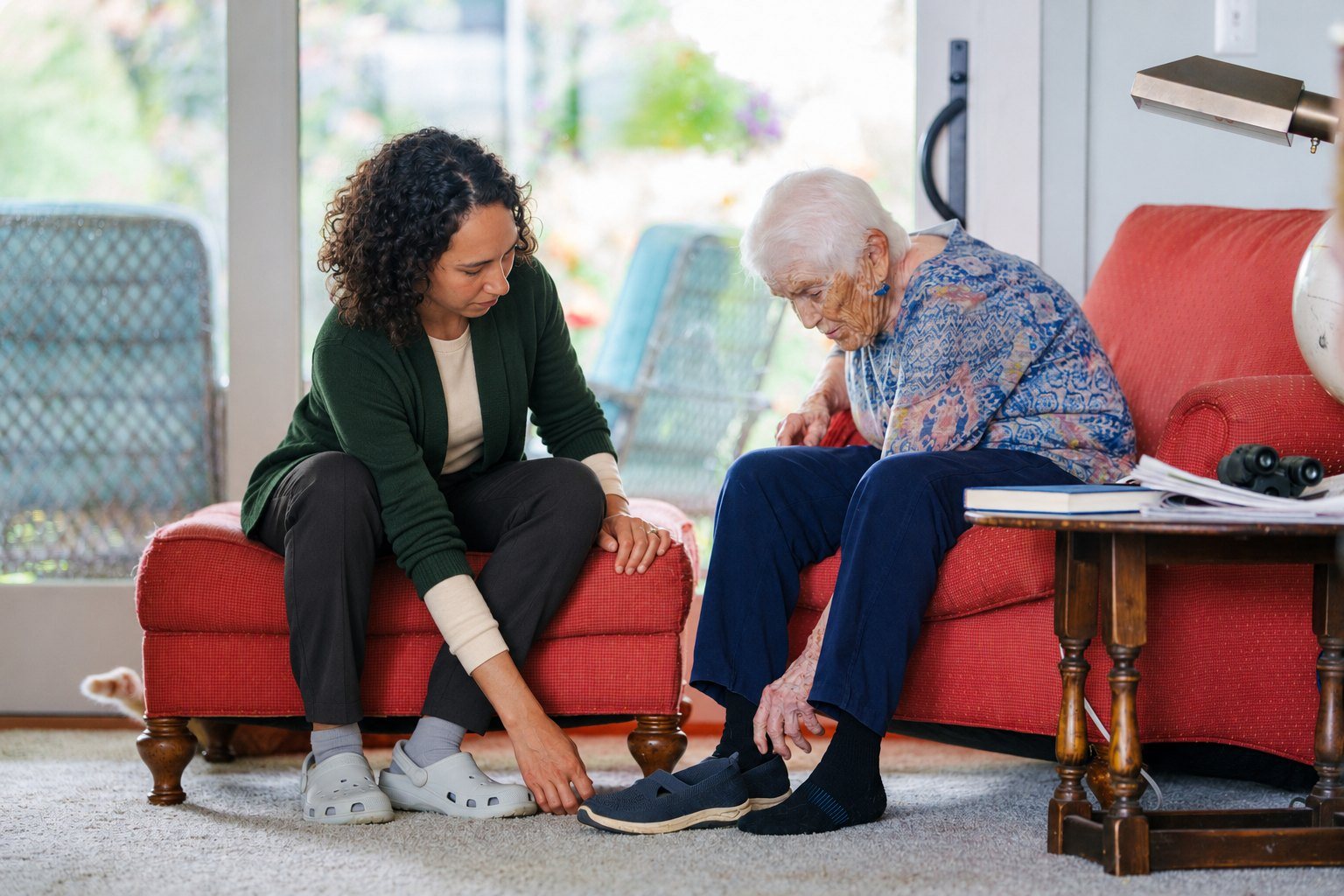
Start with daily life, not the label
A diagnosis or a change in health can explain why you are looking for support. But two people with the same condition can need very different help.
The most useful starting point is what the day looks like now, and what would make it easier.
Tell us what's changed: a new diagnosis, a fall, more forgetfulness. We'll build the plan around the day, not the diagnosis.

Honest about experience and limits
Care at Homestead Care is led by a nurse practitioner. That does not mean a nurse at every visit. It means the plan has a clinical lead behind it, so health questions have somewhere to go.
We'll tell you what our team has done before, what the plan can cover and what it can't.
- What the team has done before
- What the arrangement covers
- What it does not cover
Keep exploring
-
Dementia / Alzheimer's support
Support that protects familiar routines.
Read the guide -
Nursing and NP-led care
Home care led by a nurse practitioner.
Explore nursing -
Hospital-to-home planning
Plan the first week home before discharge day.
Plan hospital-to-home